
In an increasingly interconnected and diverse world, brands are no longer judged solely on what they sell; but who they include, how they show up, and whether they respect the humanity of the communities they serve.
Inclusive marketing isn’t a buzzword or a trend – it’s a strategic imperative. Done well, it fosters deep trust, long-term loyalty, and meaningful engagement. Done poorly, it reads as tokenism at best and harmful stereotyping at worst.
This article explores how brands can build inclusive marketing that genuinely resonates, rooted in cultural intelligence, community-first thinking, and intentional design, and not fall into the trap of surface-level representation.

What Inclusive Marketing Really Means
Inclusive marketing actively seeks to represent and engage people across the full spectrum of human experience; including but not limited to gender, race, ability, age, culture, religion and sexual orientation, not as an add-on, but as a core part of strategy.
Google, one of the most influential voices in modern marketing, defines inclusive marketing as a practice that authentically reflects the diversity of the real world, removes stereotypes, and ensures accessibility for all audiences – not just in visuals, but in creative strategy, planning and execution throughout the campaign lifecycle.
This is important because, as Google’s All-In toolkit highlights, inclusion isn’t just representation; it’s intentional accessibility, intersectionality, and continuous learning, supported by insights from experts across identity groups.
Why Brands Must Prioritise Inclusivity
Today’s consumers, especially Gen Z and Millennials, expect brands to reflect their values and the diversity of the world around them. According to research from Kantar’s Brand Inclusion Index, brands that prioritise inclusion see higher emotional connection and growth because they make individuals feel seen and understood.
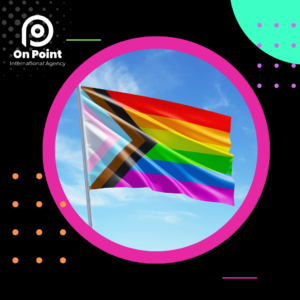
By contrast, surface-level or one-off attempts at inclusivity – such as slapping a rainbow logo on products only during Pride month – are increasingly viewed with scepticism by communities who want real, sustained support, not opportunistic campaigns.
Inclusive marketing isn’t just ethical – it’s good business. Studies show that inclusive representation enhances brand loyalty, expands reach, and improves long-term engagement (with increases in market trust and even financial performance tied to inclusive brand perception).
Core Principles of Inclusive Brand Design
Inclusive marketing starts long before a campaign goes live, it begins at brand foundation level. To do it right, brands must embed inclusivity in:
- Brand Values & Identity
Your values must reflect not just what you sell, but why you exist, and who you want to belong to your community. This means:
- Clarifying who you seek to serve
- Articulating values that support diversity and respect
- Avoiding vague feel-good messaging that lacks substance
Authenticity stems from intentional values, not surface representation.
- Cultural & Community Intelligence
Understanding nuance matters more than ever. Inclusive brands don’t guess what a community cares about; they listen and learn first. This requires:
- Research and ethnographic insights
- Community partnerships and co-creation
- Hiring diverse voices into brand strategy
Inclusive marketing is not about representing a group at a glance, but in substance. As Google’s inclusive marketing research emphasizes, campaigns need to account for intersectionality; the overlapping and nuanced identities that make up real people’s lives.
- Accessibility & Representation in Every Touchpoint
Inclusive design looks at how people experience your brand; from visuals and language to digital accessibility features like captions, alt text and adaptive interactions that consider disability, language and age.
Community-First Marketing: The Respectful Approach
At the heart of inclusive marketing is the idea of community-first engagement, which ensures that campaigns are shaped with communities, not just about them.
Co-Creation Beats Co-Opting
One critical element of respectful engagement is co-creation. This means:
- Involving community members in campaign ideation
- Giving voice and agency to individuals from underrepresented groups
- Compensating collaborators fairly for their time and expertise
Inclusive is meaningful only when it includes real voices shaping the narrative.
Meet People Where They Are
Community-first brands go beyond mass media to reach people in spaces and ways that reflect their lived experiences; whether that’s local events, cultural platforms, community radio, social forums, or niche content hubs.
Nike’s adaptive athletes campaigns and Adidas’s Pride activations are examples of this principle in action.
Real Inclusive Brand Examples That Inspire
Nike: Inclusive Athlete Representation
Nike has long woven diversity and inclusivity into its campaigns. In recent years, campaigns featuring adaptive athletes with disabilities under the “You Can’t Stop Us” umbrella spotlight real athletes from diverse backgrounds, showcasing strength without tokenisation.
Similarly, Nike’s Be True campaigns – and ongoing support for LGBTQ+ communities through collaborations, product lines and visibility initiatives – move beyond mere symbolism by amplifying real lived experiences.
These aren’t seasonal gestures, they are strategic commitments that reflect community insight and sustained narrative support.
Patagonia: Community & Environmental Justice
Patagonia has built inclusivity into its identity through activist-aligned storytelling and community support, especially in environmental justice arenas. Campaigns and content highlight voices at the intersection of environment, culture and community rights; not just selling products, but advocating for shared values.
Their approach prioritises meaningful impact over performative messages, something many consumers – especially environmentally conscious ones – now demand.
LUSH: Co-Creation with Cultural Voices
Inclusive efforts like LUSH’s Scent of My Culture campaigns go deeper than representation. They invited people from diverse communities to co-create scents and stories inspired by heritage, ensuring that the campaign narrative wasn’t top-down but shared directly with those it celebrated.
This level of collaboration respects cultural nuance and avoids simplistic or stereotypical portrayals.
Adidas: Inclusivity in Action with Pride
Adidas has invested in year-round community engagement through partnerships with LGBTQ+ organisations like Athlete Ally and Stonewall and storytelling that elevates queer voices in sports contexts; making inclusion a lived, ongoing narrative rather than a seasonal overlay.
Successful inclusive campaigns like these demonstrate that community empowerment and platform building are more impactful than one-off product drops with superficial symbolism.

Avoiding the Pitfalls: What Not to Do
Even well-meaning brands can misstep. Common inclusive marketing failures include:
Tokenism: Brands that feature diversity in visuals without substance; such as stock images without community insight or one-off posts disconnected from broader strategy, come off as superficial.
Seasonal Inclusion Only: Focusing on Pride month or Black History Month only to drive sales – and then disappearing – signals opportunism instead of commitment. Effective inclusive marketing must be consistent and year-round.
Stereotype Reinforcement: Avoid shrinking diverse experiences into clichés or exaggerated tropes. Inclusive design requires nuance, empathy, and cultural understanding, not broad generalisations.

How to Build Inclusive Marketing That Resonates
Here’s a practical framework your brand can use:
- Map Your Brand’s Inclusive Values
Define what inclusion means for your brand; and why it matters to your purpose, community and business outcomes. Write it into your brand guidelines and review with diverse stakeholders.
- Conduct Inclusive Audience Research
Use data, interviews, and community panels to understand how different groups experience your brand; and where gaps exist. Insights fuel effective messaging.
- Co-Create with Communities
Partner with representatives from the communities you want to engage. Co-creation builds authenticity and trust.
- Design for Accessibility
Ensure your digital and physical content is accessible; including captions, screen-reader compatibility, plain language, cultural contextualisation, and usability testing with diverse users.
- Track Inclusion Impact
Set KPIs that measure meaningful engagement – not just reach or impressions. Analyse sentiment, community feedback and long-term loyalty changes over time.
- Be Consistent and Accountable
Inclusive marketing isn’t a one-off campaign; it’s a commitment. Regularly audit your inclusive efforts and refine based on feedback.
Conclusion: Inclusive Marketing Is Not Optional – It’s Strategic
Consumers today demand more than representation; they demand respect, authenticity, and meaningful engagement. Inclusive marketing done right isn’t just about featuring diverse faces or ticking boxes, it’s about rooting your brand in community, culture, and human experience.
Brands that invest in cultural intelligence, community-centered co-creation, and accessibility don’t just avoid backlash; they build loyalty, trust, and stronger brand affinity that last long after a campaign ends.
If you’re ready to build inclusive marketing strategies that are respectful, impactful and culturally intelligent, On Point International can help you create campaigns and experiences that truly belong, and that resonate deeply with the communities you want to serve.
Let’s build inclusion that matters; reach out for authentic brand engagement and strategic support.

